Preserving the Unique Craft of Making Conical Hats: The Nung An Ethnic People
Get link
Facebook
X
Pinterest
Email
Other Apps
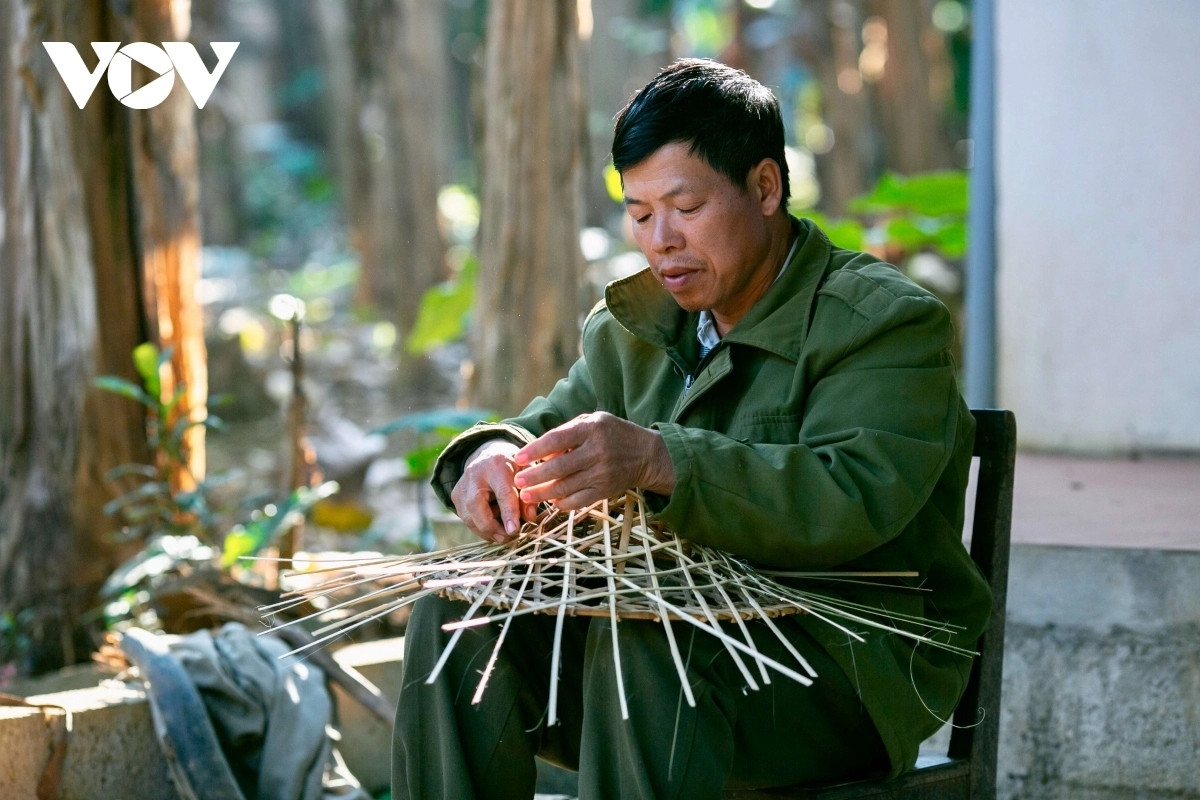
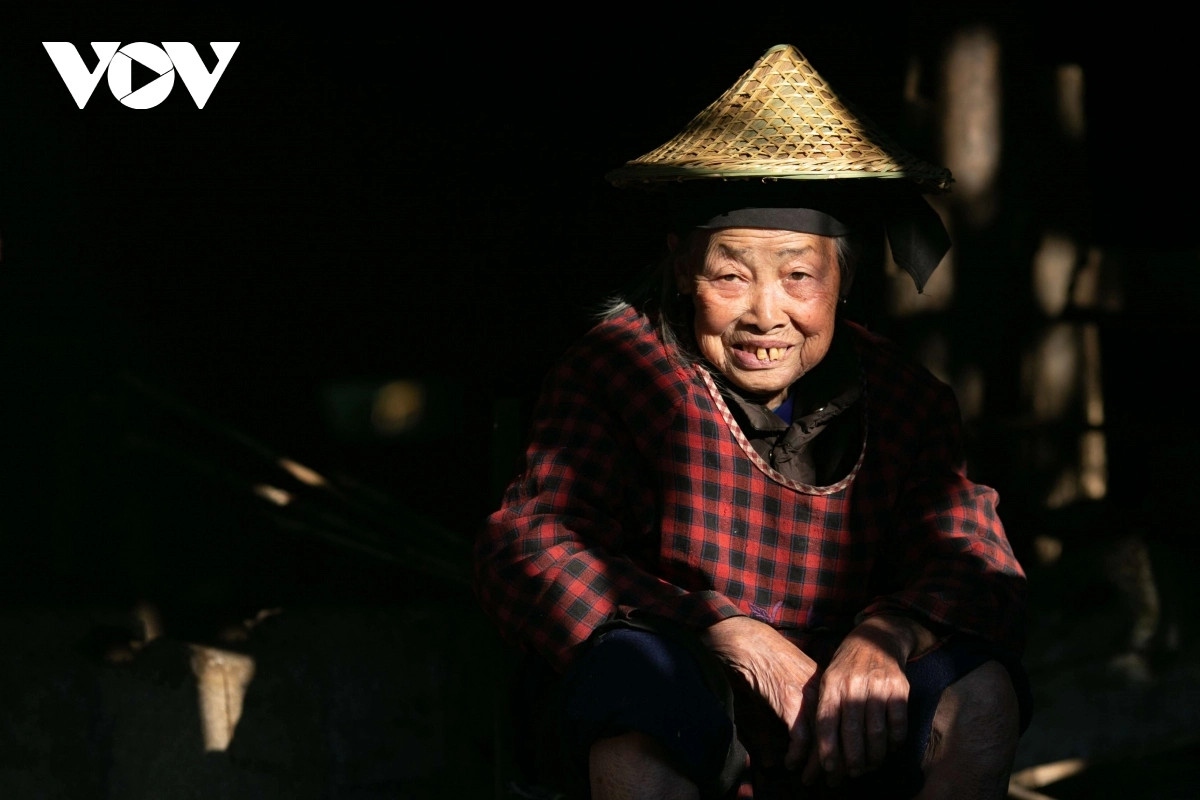
The conical hats made by the Nung An ethnic people are unlike any other in Vietnam. They have unique patterns, are made from special materials, and are crafted in a distinctive way.
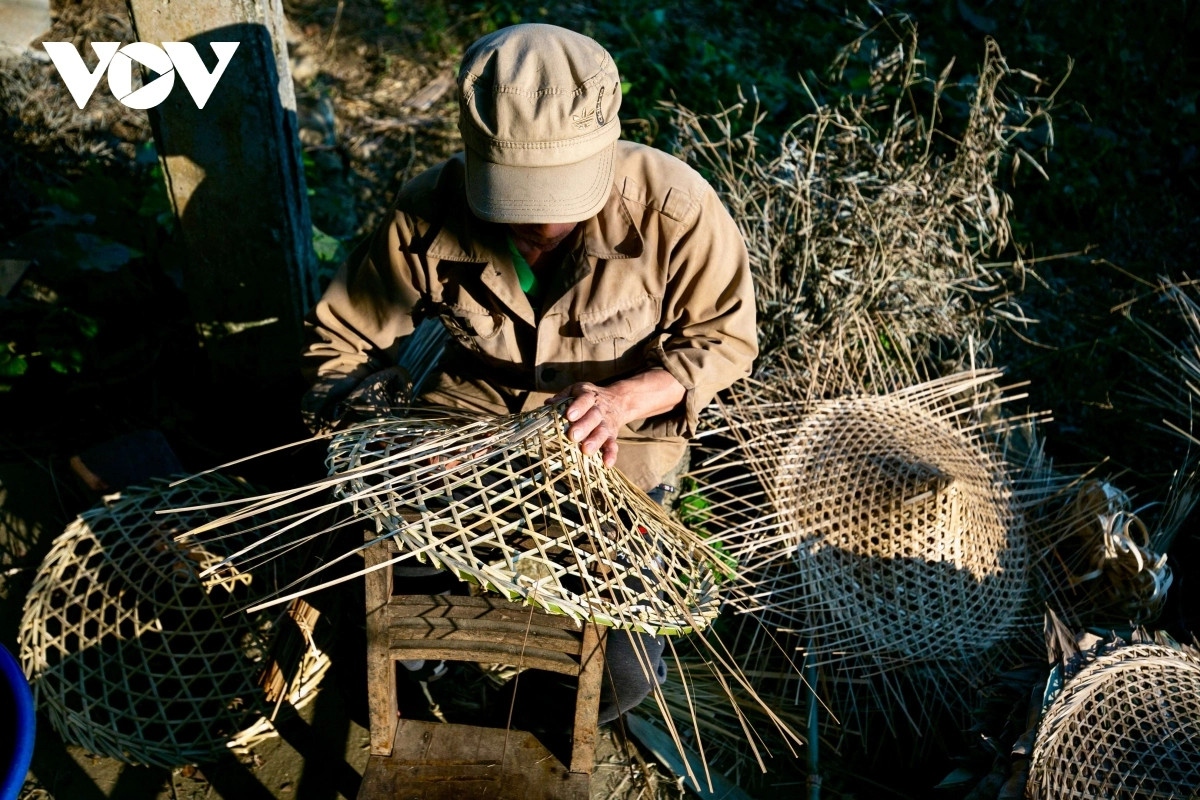
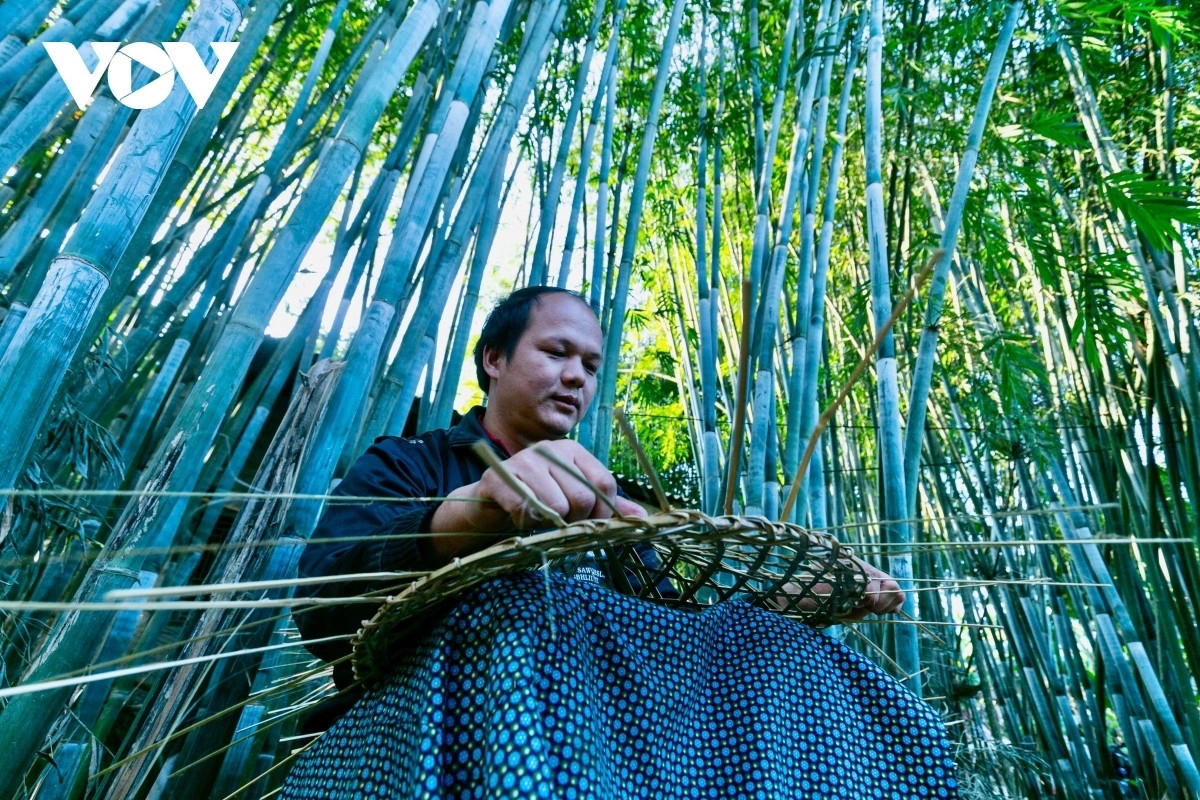
The hats are meticulously handcrafted using bamboo slats and bamboo/banana leaves. The bamboo used must be locally sourced and have a diameter of 5-8cm with a straight stem.
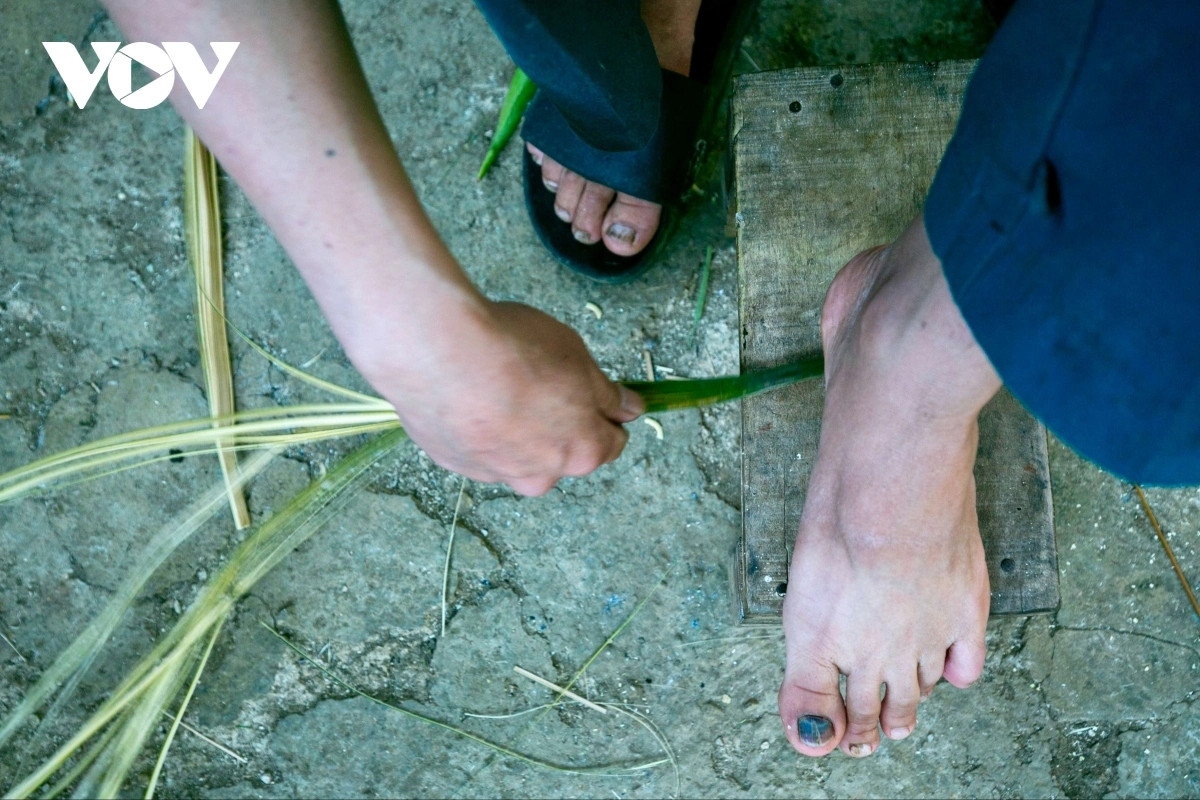
The most crucial step in hat making is splitting the slats, a skill that requires precision and expertise. Skilled artisans never use a knife for this task.
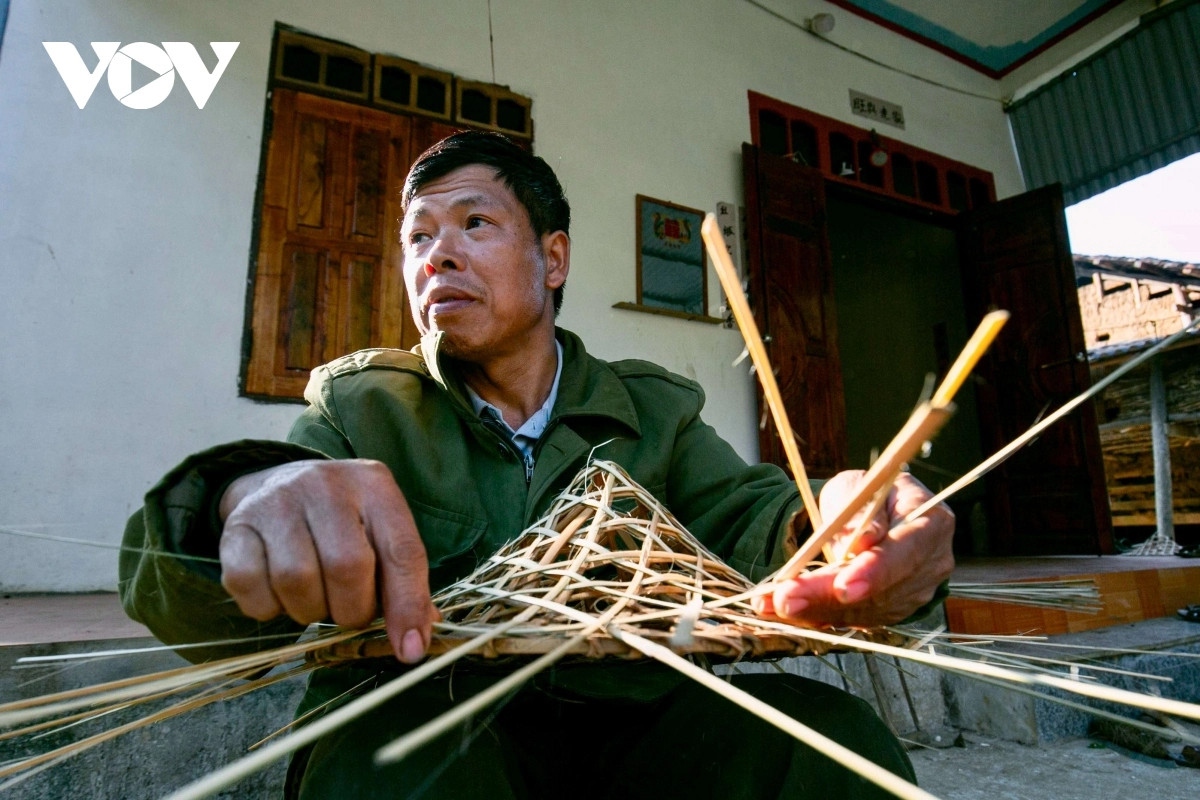
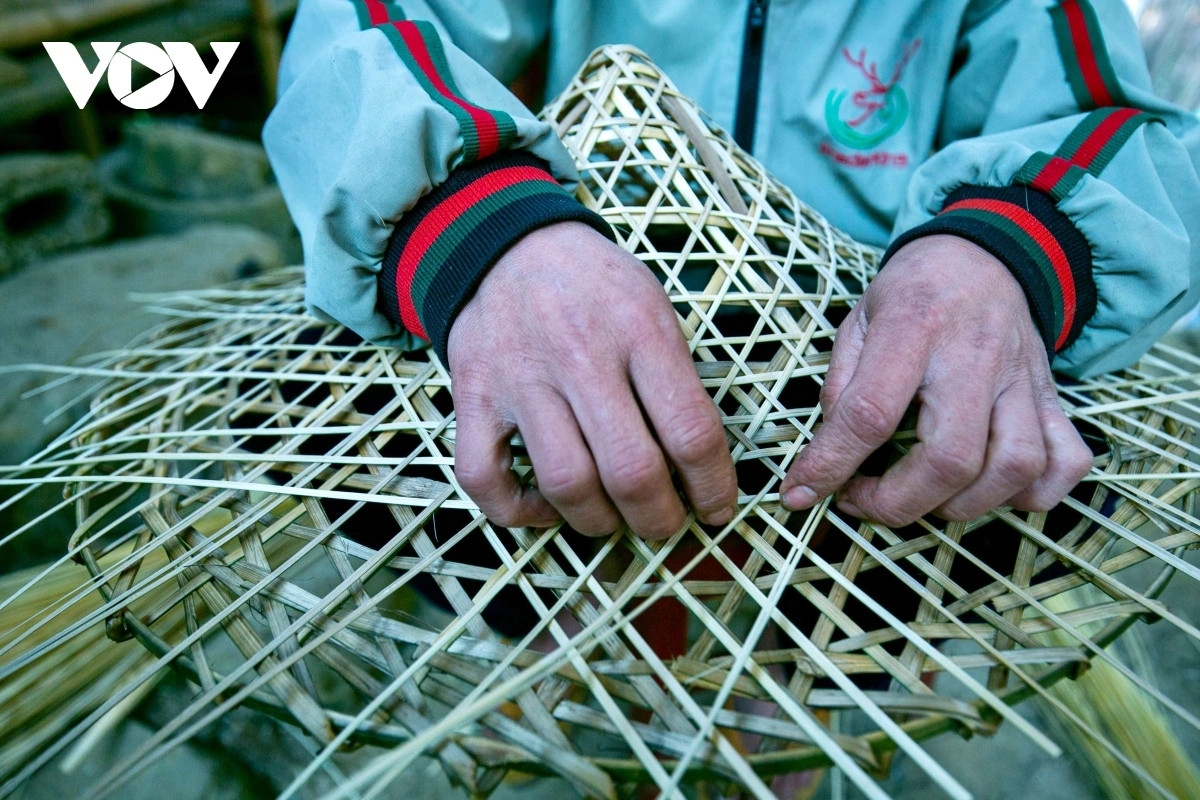
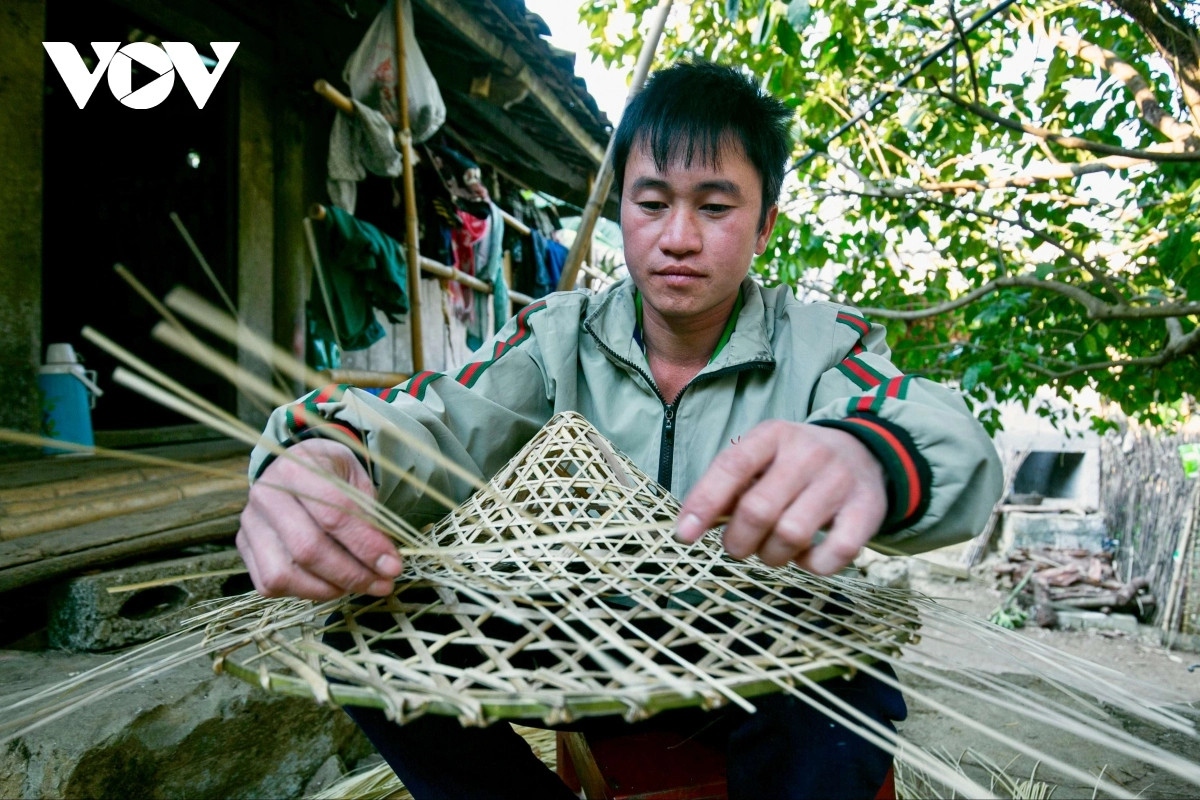
Once split, the bamboo slats are woven into a double-layered frame, with an outer and inner layer.
The outer layer of the frame is intricately woven by the craftsman, as it greatly impacts the final appearance of the hat.
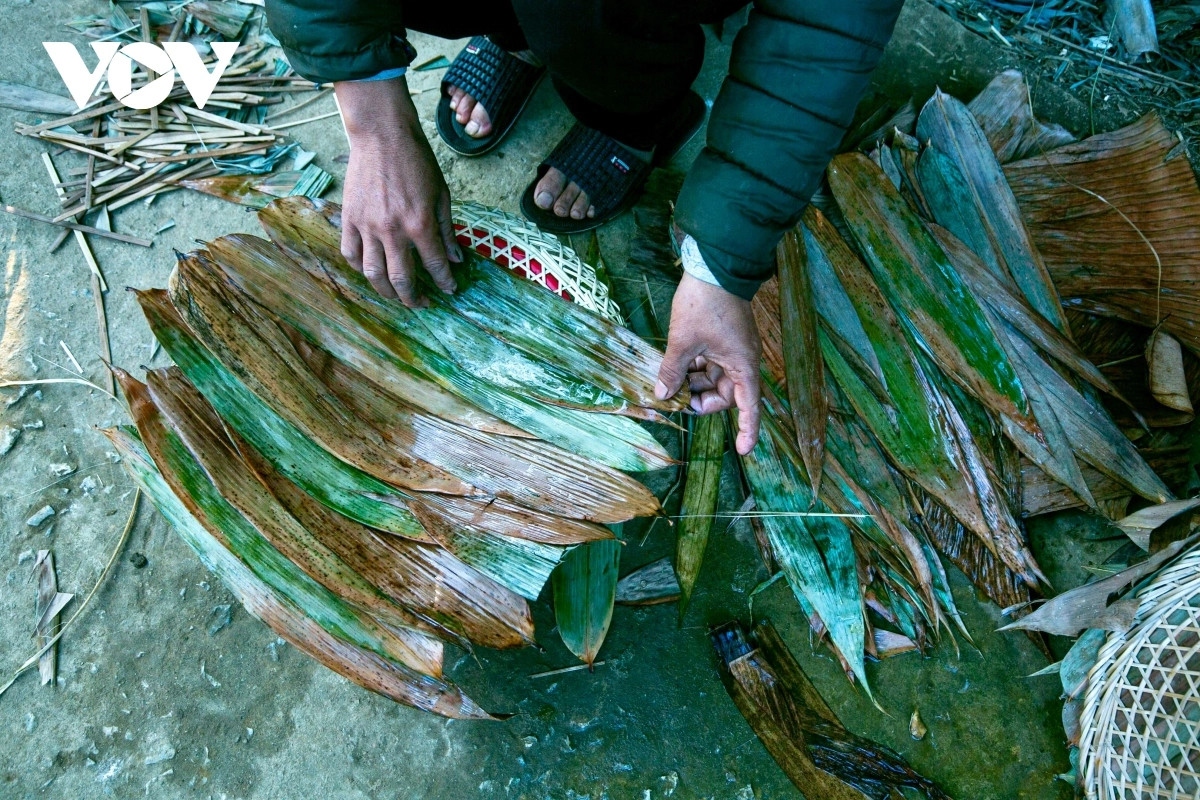
The bamboo leaves used for the hats are carefully selected, bundled together, and naturally dried until they turn brown and develop the desired strength. Longer bamboo leaves are used for the middle layer of the hat.
The middle layer of bamboo leaves enhances the hat’s ability to protect the wearer from rain and sun.
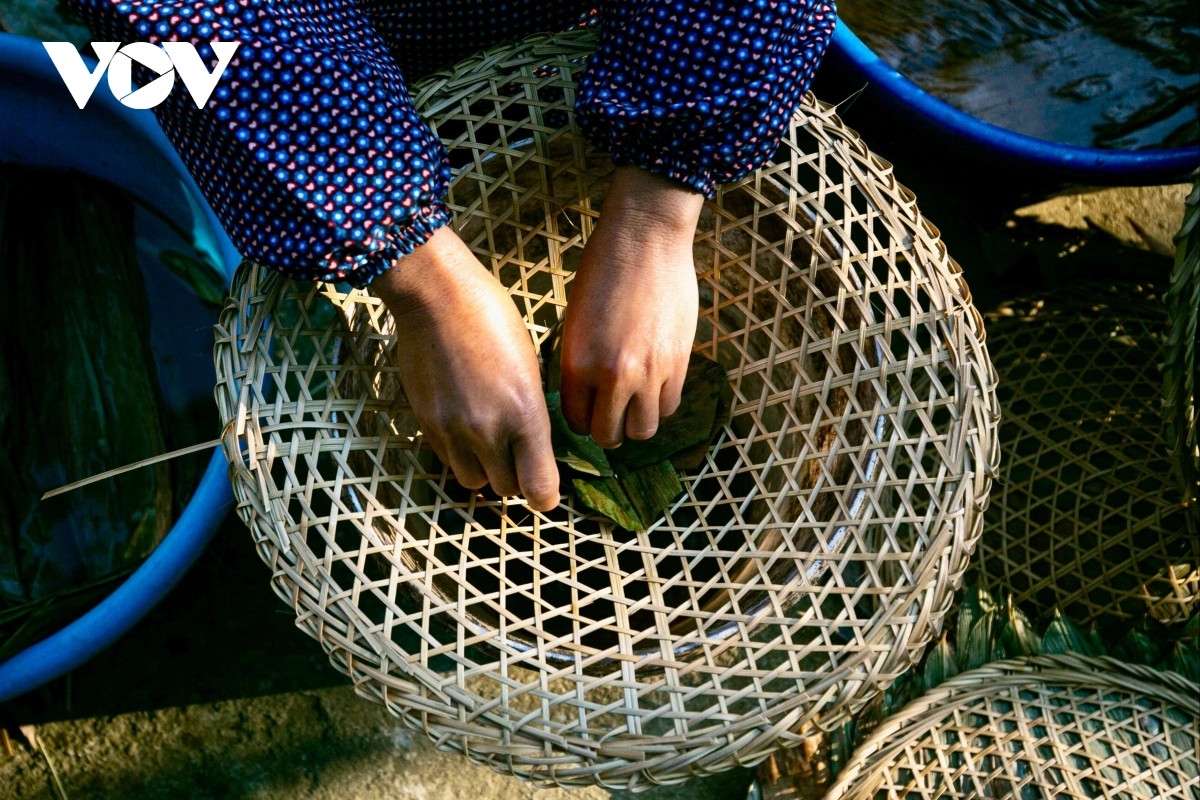
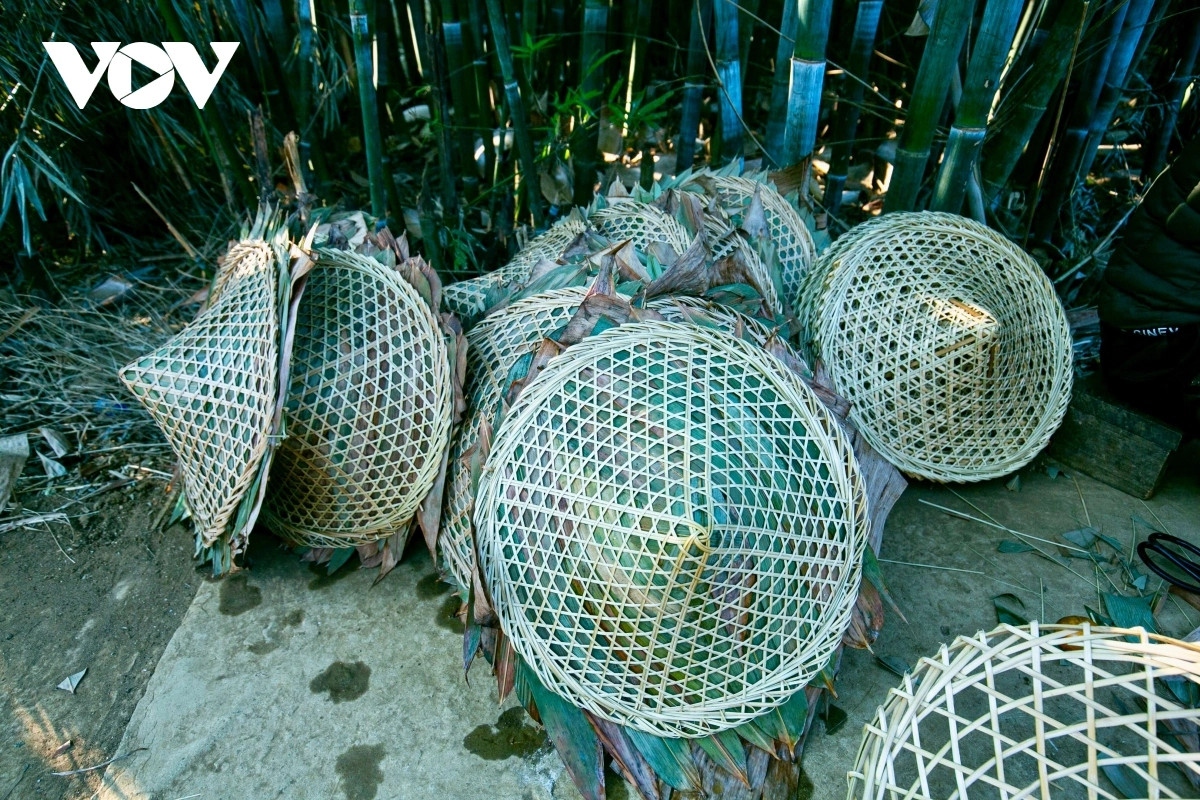
After the bamboo leaves are added, the middle layer is tightly pressed, and the second layer of the frame is attached to make the hat more sturdy. The hats are then dried to protect against termites, increase durability, and withstand sun and rain.
Since the entire hat-making process is done by hand, an artisan can only make an average of four hats per day.
Despite the low market value, nearly 100 locals are dedicated to preserving this craft.
Even though younger generations may not have an interest in learning this traditional craft, the artisans are determined to keep it alive.
The Association of Southeast Asian Nations (ASEAN) and the US Government recently organized a ceremony in Jakarta to review the ASEAN – USAID cooperation with several projects worth more than USD 26 million rolled out in five years, VNA reported. The projects, implemented since 2018, included the ASEAN – USAID Inclusive Growth in ASEAN Through Innovation, Trade and E-commerce (IGNITE), ASEAN – USAID Partnership for Regional Optimisation within the Political-Security and Socio-Cultural Communities (PROSPECT) and ASEAN Policy Implementation projects funded by the USAID and the US Department of State. The United States government, through the USAID, and the ASEAN, celebrated impactful results delivered through ASEAN-U.S. development cooperation totaling more than USD 26 million over the last five years. Source: asean.org More than 100 government officials, policymakers, entrepreneurs, representatives from civil society organizations and the private sector participated to refle...
Located at an altitude of 1,200m above sea level, Lung Van in Tan Lac District looks like a fairyland amidst white clouds so it has another name, the Cloud Valley. Lung Van is considered “The Roof of Muong Bi,” one of the four major and the most ancient cultural cradles of the Muong ethnics in Hoa Binh Province, including Muong Bi, Muong Vang, Muong Thang and Muong Dong. From May to July, Lung Van has hundreds of streams and waterfalls pouring from the peak of mountains, forming imposing scenery in Lung Van. Photo: Viet Cuong/VNP Bi trees in the “De dat, De nuoc” (Land and Water) epic of the Muong ethnic people in Lung Van. Photo: Viet Cuong/VNP The terraced fields in Lung Van look like “A Giant Mirror of Muong Bi”. Photo: Viet Cuong/VNP Lung Van, known as the cloud valley, fascinates any visitor. Photo: Viet Cuong/VNP The M...
Alluring charm of an island district According to Nguyen Cong Dac, an officer from Co To district’ Culture and Tourism Office, Co To has many strong advantages in regards eco tourism tourism and sea experience. The pristine beauty of natural beaches, clear seawater and primeval forest create an alluring charm for visitors. The island district comprises Co To Lon (large Co To island), Co To Be (small Co To island) and several smaller islands. Co To Lon possesses plenty of enchanting beaches including Tau Dam, Hong Van, Van Chay, Bac Van, and Vung Ong Vien. Among them, Hong Van beach is known as the best beach of Co To, thanks for its untouched and peaceful charm and beauty, white sands and wavy water. The island is also famous for abundant fresh and diverse seafood, along with many historical and cultural sites. Tourists to Co To should not miss a wonderful walk to Co To lighthouse, which is dubbed as the “rooftop” of the island. Climbing up 72 stairs to the top o...


Comments
Post a Comment